Aleksandr Robak
About Aleksandr Robak
Aleksandr Removich Robak is a Russian actor, director and film producer whose career across theatre, cinema and television has made him one of the most recognisable character players in contemporary Russian screen drama. He was born on 28 December 1973 in Zlatoust, a metallurgical town in the Chelyabinsk region of the Russian SFSR, and his upbringing in that industrial Ural setting has often been cited as a source of the grounded, blue-collar presence he brings to many of his roles. His father, Rem Aleksandrovich Robak, worked as a metallurgical engineer, while his mother, Raisa Lukinichna, taught at a technical college that trained steelworkers. From childhood he gravitated toward music and performance, playing guitar and joining the drama circle at the local House of Pioneers, activities that eventually pointed him toward a full theatrical training rather than the engineering path his hometown might have suggested.
Robak studied at the Yaroslavl State Theatre Institute, graduating in 1994 from the course led by the director Vladimir Vorontsov. His training in Yaroslavl, a provincial theatre school with a strong classical reputation, was followed almost immediately by an invitation from the veteran director Andrey Goncharov to join the company of the Mayakovsky Theatre in Moscow, one of the city's most prestigious academic stages. At the Mayakovsky he worked through the second half of the 1990s in a mix of classical and family repertoire, appearing in productions such as Tom Stoppard's Rosencrantz and Guildenstern Are Dead, Shakespeare's As You Like It and popular children's pieces including Ivan Tsarevich and The Adventures of Buratino. The Mayakovsky remained his principal theatrical home until around 1998, after which he moved gradually toward screen work while continuing to accept occasional stage engagements in Moscow.
His first film role came in Karen Shakhnazarov's Day of the Full Moon in 1998, a mosaic-style picture in which he played a minor character named Seryoga. A significant early break followed when Aleksei Balabanov cast him in Brother 2 in 2000, the cult sequel to Brother that became one of the defining Russian films of its decade. Appearances in that film and in a succession of television projects during the early 2000s established Robak as a dependable character actor with a particular gift for playing ordinary Russian men, often provincial, often weighed down by circumstance, and frequently concealing unexpected reserves of warmth or melancholy beneath a stolid exterior.
The 2010s brought him wider public recognition. He played Maksim Budkin, the bluff childhood friend of Konstantin Khabensky's struggling geography teacher, in Aleksandr Veledinsky's acclaimed adaptation The Geographer Drank His Globe Away in 2013, a performance widely praised for its lived-in sadness and humour. He became a recurring presence in the Yolki franchise of holiday ensemble comedies produced by Timur Bekmambetov, appearing in several of the sequels between 2011 and 2016, and took substantial roles in features and series including Steppe Children, This Is What's Happening to Me and a long run of detective and drama serials for Russian state and cable channels.
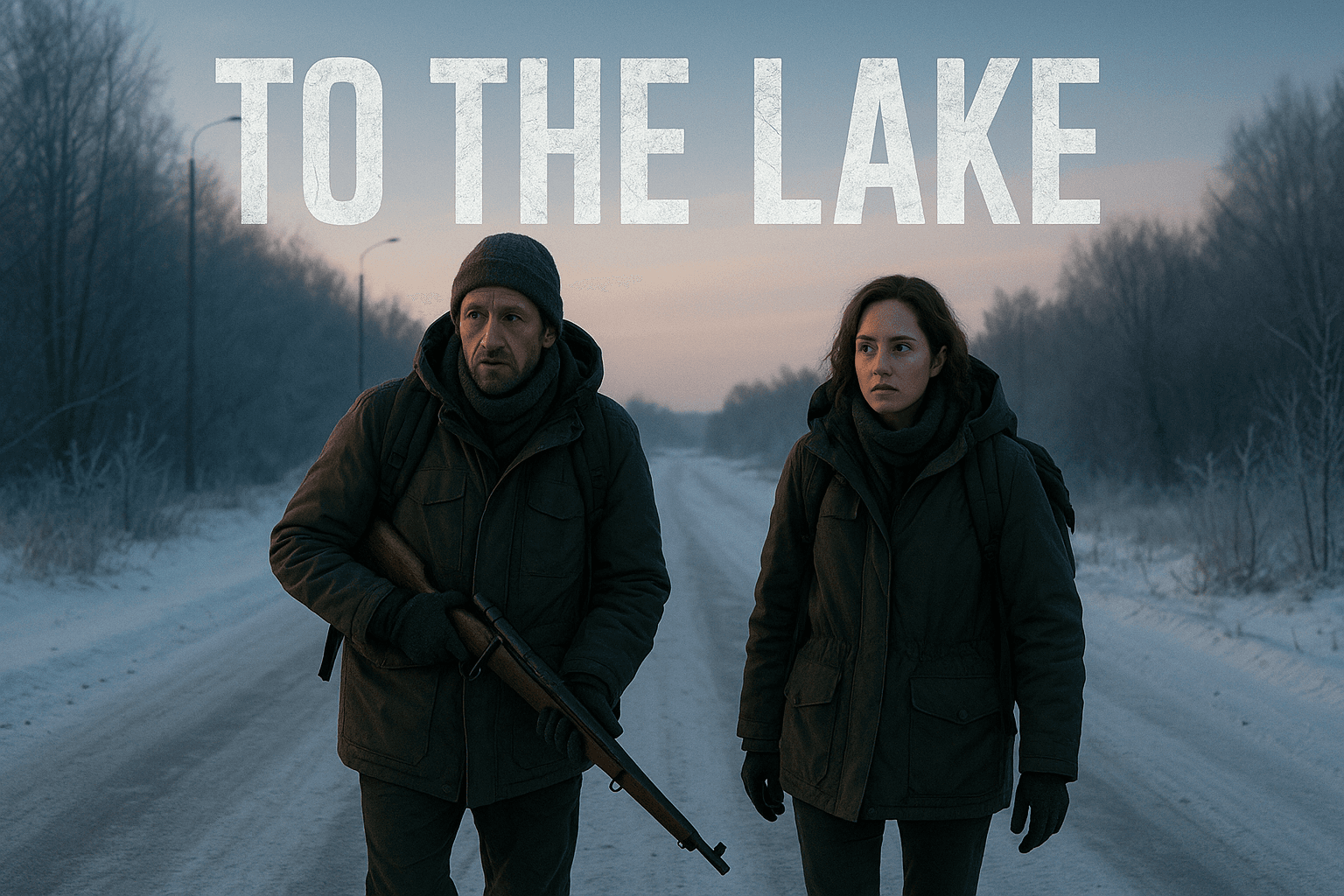
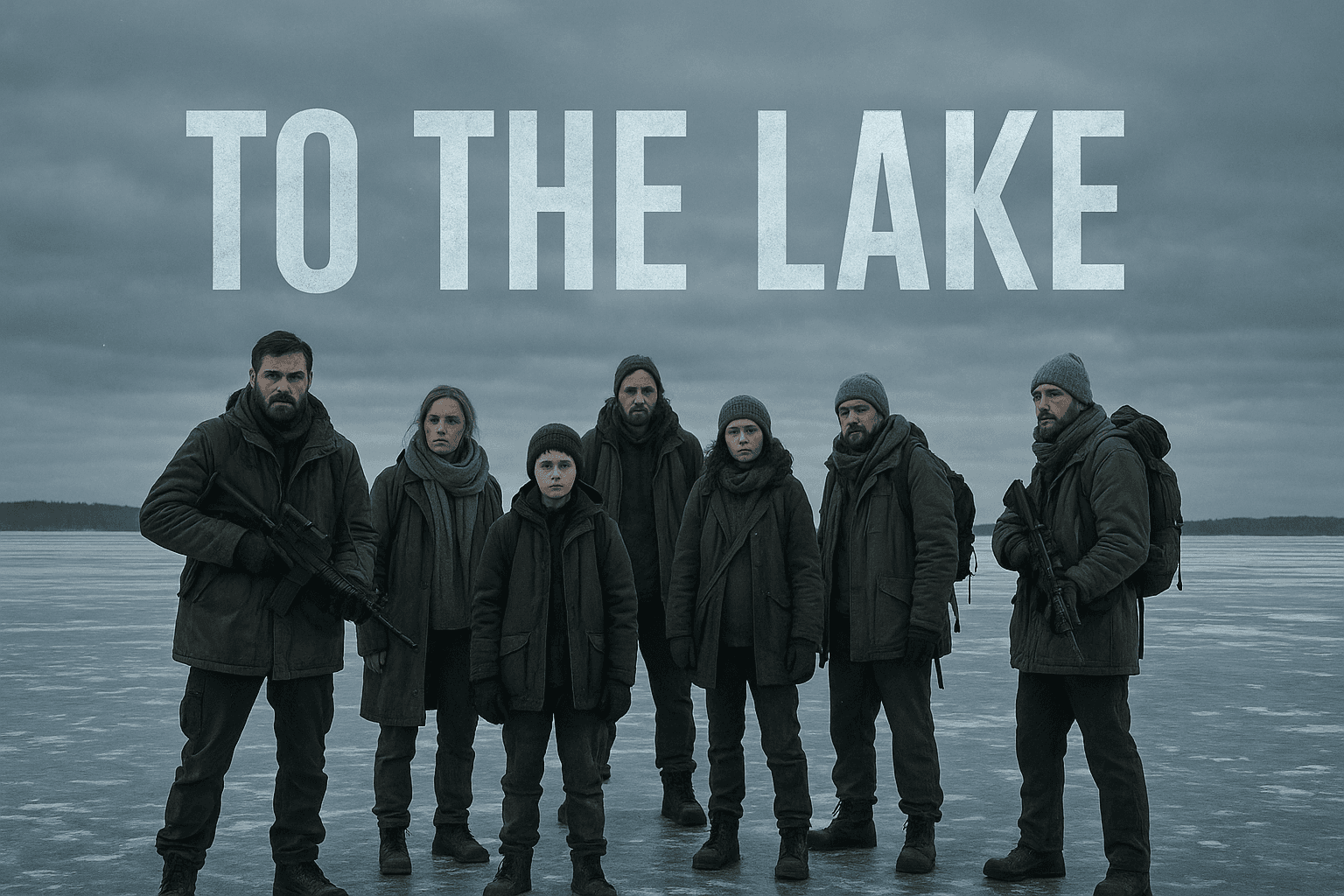
Robak's profile rose sharply in 2018 when he took a central role in House Arrest, the political comedy created by the writer and musician Semyon Slepakov for the Premier streaming platform and later broadcast on TNT. Robak played Ivan Samsonov, known as Samson, an excavator operator and neighbour of the disgraced provincial mayor at the centre of the series, whose blunt honesty and local following eventually see him emerge as an improbable candidate for mayor himself. The role, which ran across both seasons of the show, drew on many of the qualities that had come to define his screen persona, including an instinctive feel for small-town Russia and a capacity to find comedy without sacrificing dignity. The following year he appeared in Pavel Kostomarov's post-apocalyptic series To the Lake, known in Russian as Epidemiya, which was picked up internationally by Netflix. As Leonid, a newly wealthy businessman travelling north with his pregnant young wife and teenage daughter as a lethal virus engulfs Moscow, Robak anchored the ensemble with what reviewers described as one of the most sympathetic performances in the show, and he received an APKiT Award nomination in 2020 for Best Supporting Actor in a Television Film or Series for the role.
That same year he won the APKiT Award for Best Actor in a Television Film or Series for his lead performance as Timur in the 2019 series Storm, a gritty crime drama in which he played a compromised police investigator in a small Russian town. He continued to move between television and cinema through the early 2020s, including a role in Boris Khlebnikov's Afghan War drama Snegir in 2023, and he has regularly appeared in feature comedies and dramas alongside his television work. Throughout this period he has been associated with a generation of Russian screen actors, among them Konstantin Khabensky, Sergey Burunov and Pavel Derevyanko, whose careers have straddled auteur cinema, mainstream entertainment and long-form television.
Alongside his acting, Robak has worked as a producer and occasional director. In 2000 he co-founded the production company Sinemafor with the actor Maksim Lagashkin, and the firm has since been involved in developing film and television projects in which Robak has also performed. In 2007 he directed a feature titled The Room of Lost Toys, his first credit behind the camera, and he has continued to take producing credits on selected projects.
His personal life has been relatively low-key by the standards of Russian celebrity culture. His first marriage, to Natalya Trubitsyna, produced a son, Arseny, born in 1994, who has also become an actor. Robak later remarried; his second wife, Olga, works in medicine. He has spoken in Russian interviews about his attachment to Zlatoust and to the Ural landscapes of his childhood, and much of his screen work continues to be rooted in a recognisably provincial Russia rather than the glossier Moscow of many of his contemporaries.