2019 - Present

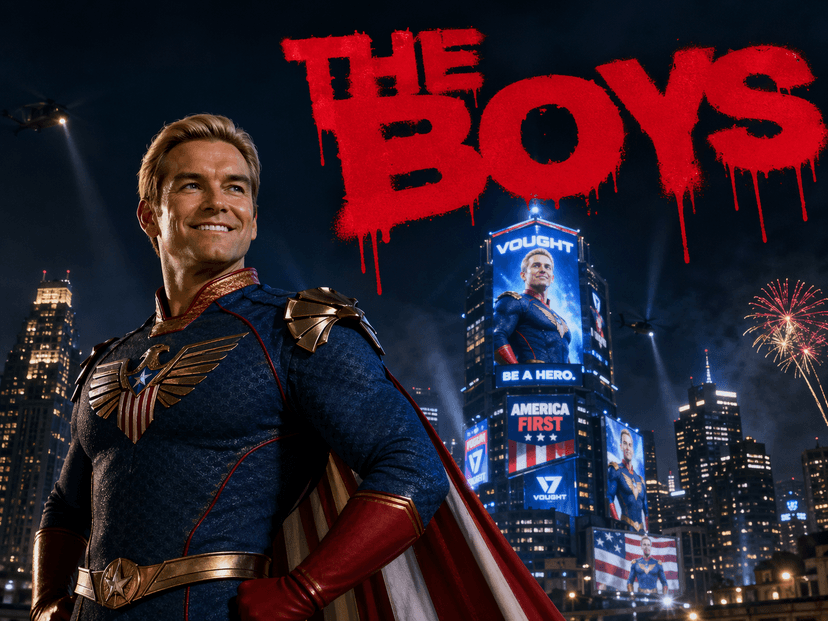
The Boys is the Amazon Prime Video satire that asks a dangerously simple question. What if superheroes were real, owned by a corporation, and mostly awful people? Developed by Eric Kripke from the Garth Ennis and Darick Robertson comic, it premiered in 2019, ran for four seasons, and wraps with a fifth and final season in 2026. Eight episodes. Weekly roll-out. Then it is gone.
The premise is elegantly vicious. Superpowered beings called supes exist, they got their powers from a compound called Compound V, and they are managed like product by a mega-corp called Vought International. Vought markets them as saviours. Most of them are narcissists, sexual predators, addicts, or worse. The top team, The Seven, is fronted by Homelander, a smiling Superman analogue who is, on a good day, a psychopath. When Vought starts killing civilians as collateral damage, a group of non-powered outsiders led by Billy Butcher decides to do something about it. They call themselves the boys. They are not heroes either.
Karl Urban is the engine of the show. As Billy Butcher he weaponises a broad Cockney and a permanent half-smirk into something terrifying and, at times, funny. It is the role of his career so far, and that is saying something given Dredd and the Bourne films. Antony Starr as Homelander is the other pillar. Starr plays him as a needy child wearing a god, which is a much harder trick than playing a straightforward villain. His face does the work of three other actors.
Jack Quaid is the audience surrogate as Hughie Campbell, the everyman dragged into a war he did not choose. Erin Moriarty plays Annie January, known on billboards as Starlight, a small-town believer discovering what she has actually signed up for.
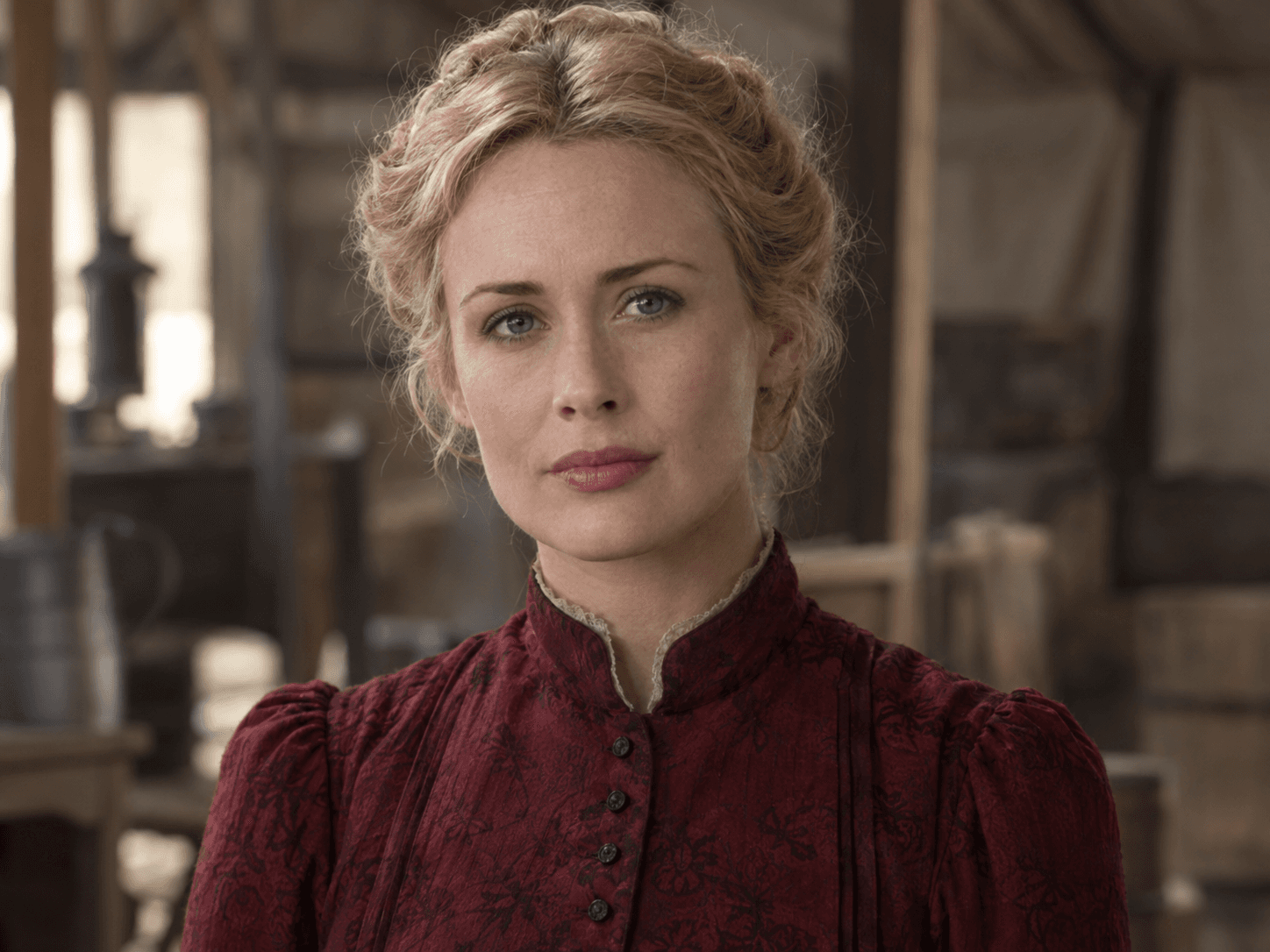
Around those four is one of the deepest ensembles on television:
Elisabeth Shue
Madelyn Stillwell
Karl Urban
Billy Butcher
Antony Starr
Homelander
Simon Pegg
Hugh Campbell Sr.
Erin Moriarty
Annie January / Starlight
Karen Fukuhara
Kimiko
Aya Cash
Stormfront
Dominique McElligott
Queen Maeve
Beneath the blood and the genitalia jokes, The Boys is a serious show about three things.
First, celebrity. Vought is every entertainment conglomerate you can name, welded to every defence contractor you cannot, and the show treats superhero fame the way Succession treats media empires. It is a machine that eats the people inside it and everyone outside it. Homelander doing a warm-voiced Instagram apology is funnier and scarier than any punch.
Second, fascism and how easily it sells. Stormfront's arc in season two, a Nazi laundered for the Instagram age, was the moment the show's politics stopped being subtext. Homelander discovering that cruelty plays well to a base was the moment it stopped being a metaphor at all. Kripke has been open that the show is a response to a specific modern American ugliness, which is why the right kept trying to claim it and why Kripke kept asking them to stop.
Third, trauma. Butcher, Hughie, Frenchie, Kimiko, Starlight, even Homelander, every major character is processing something awful, and the show takes that seriously. The violence is cartoonish. The hurt is not. It is why the big emotional episodes hit so much harder than the whale-exploding ones, not that the whale is not also a highlight.
The show's look is slick network-TV glossy on purpose. Vought's PR videos, the Seven's Instagram content, the Dawn of The Seven superhero film-within-the-show, all shot in cheerful high-key light that makes the ugliness land harder when it arrives. When Kripke wants to hurt you he shifts the grammar, lowers the saturation, lets a scene breathe, and then somebody's head comes off.
The gore is famous for a reason. The pilot's A-Train moment set the tone in the first ten minutes. The Boys uses extreme violence as punctuation rather than spectacle, and when the show pauses on the aftermath rather than the impact, which it often does, the horror doubles. The needle-drops are brilliant. The opening credits sequence alone tells you exactly what kind of show you are about to watch.
Critics loved it from the jump. Audiences loved it louder. The show became Amazon's flagship scripted hit, spun off the university-set Gen V in 2023, and the animated anthology The Boys Presents: Diabolical in 2022. Its cultural footprint has been larger than anyone at Amazon could have predicted when they picked up a niche, filthy comic adaptation for a streaming launch.
It also became one of the most argued-about shows of its era, which is what happens when a satire is both genuinely funny and genuinely angry. Homelander, in particular, has escaped the show. Antony Starr's face is everywhere. Streaming, memes, think pieces. A villain that good is a rare thing.
I came into The Boys expecting a shock-value show and stayed for what turned out to be one of the best character dramas Amazon has ever produced. The violence is the hook. The reason you keep watching is Butcher and Homelander circling each other for five seasons while everyone else tries to survive being in their orbit.
Kripke landed the hardest trick a satire can pull. The show is stupidly entertaining and actually about something, at the same time, without letting either half choke the other. It belongs on a shelf with Black Mirror for its willingness to look at modern power and flinch, and with The Righteous Gemstones for its taste for the blackest possible comedy at the expense of sacred institutions.
Four seasons already stand. A fifth is landing now. If this is your first look at the show, do not watch it at your grandmother's house.
Jack Quaid
Hughie Campbell
Tomer Capone
Frenchie
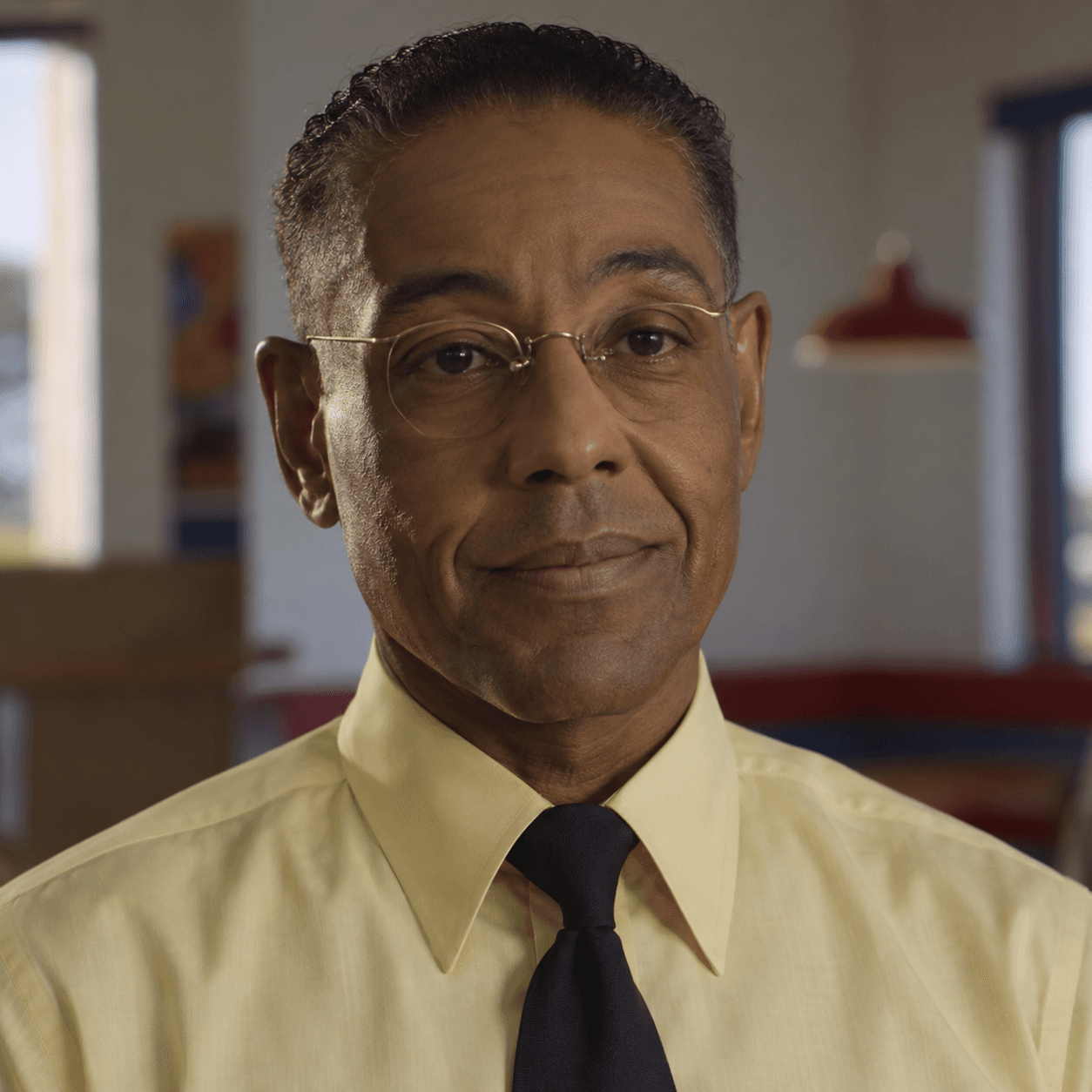
Giancarlo Esposito
Stan Edgar
Valorie Curry
Firecracker
Claudia Doumit
Victoria Neuman
Jensen Ackles
Soldier Boy
Laz Alonso
Marvin / Mother's Milk
Chace Crawford
The Deep
Jeffrey Dean Morgan
Joe Kessler
Jessie T. Usher
A-Train