2007 - 2019

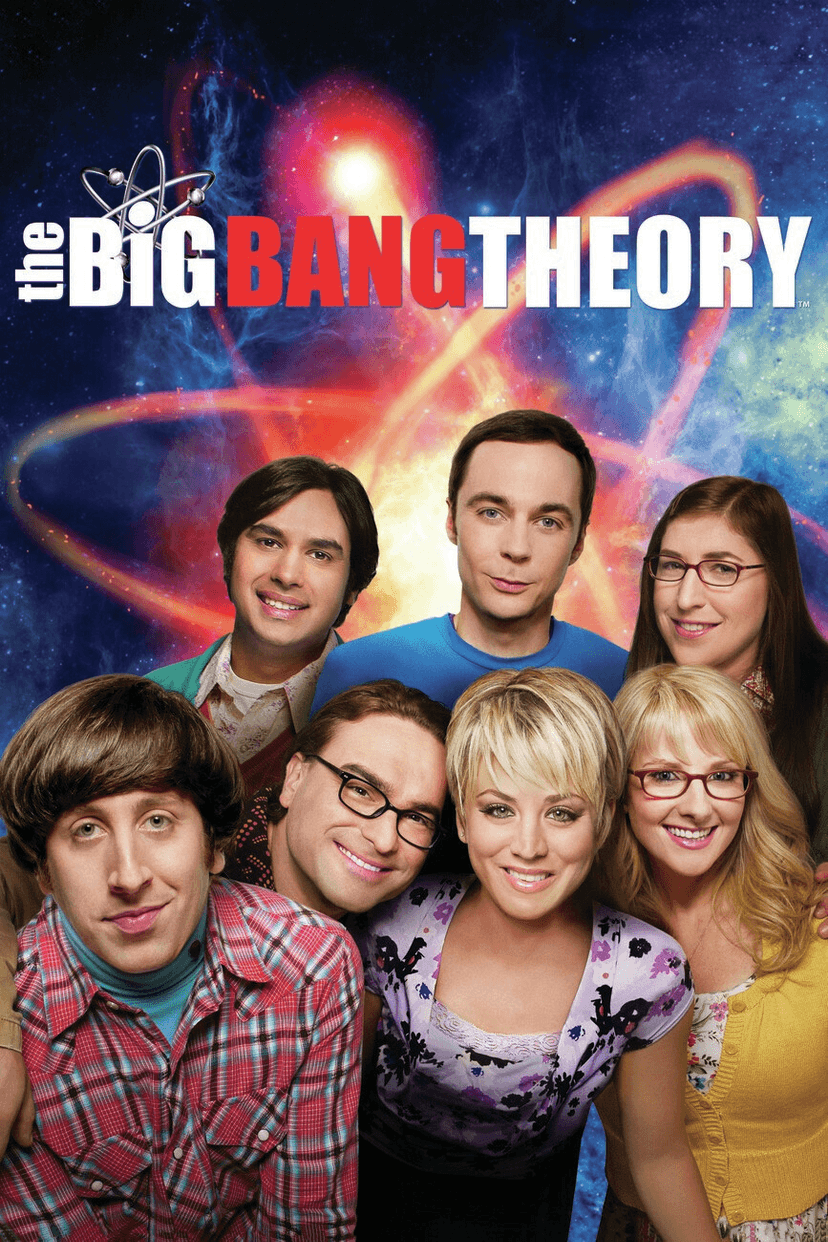
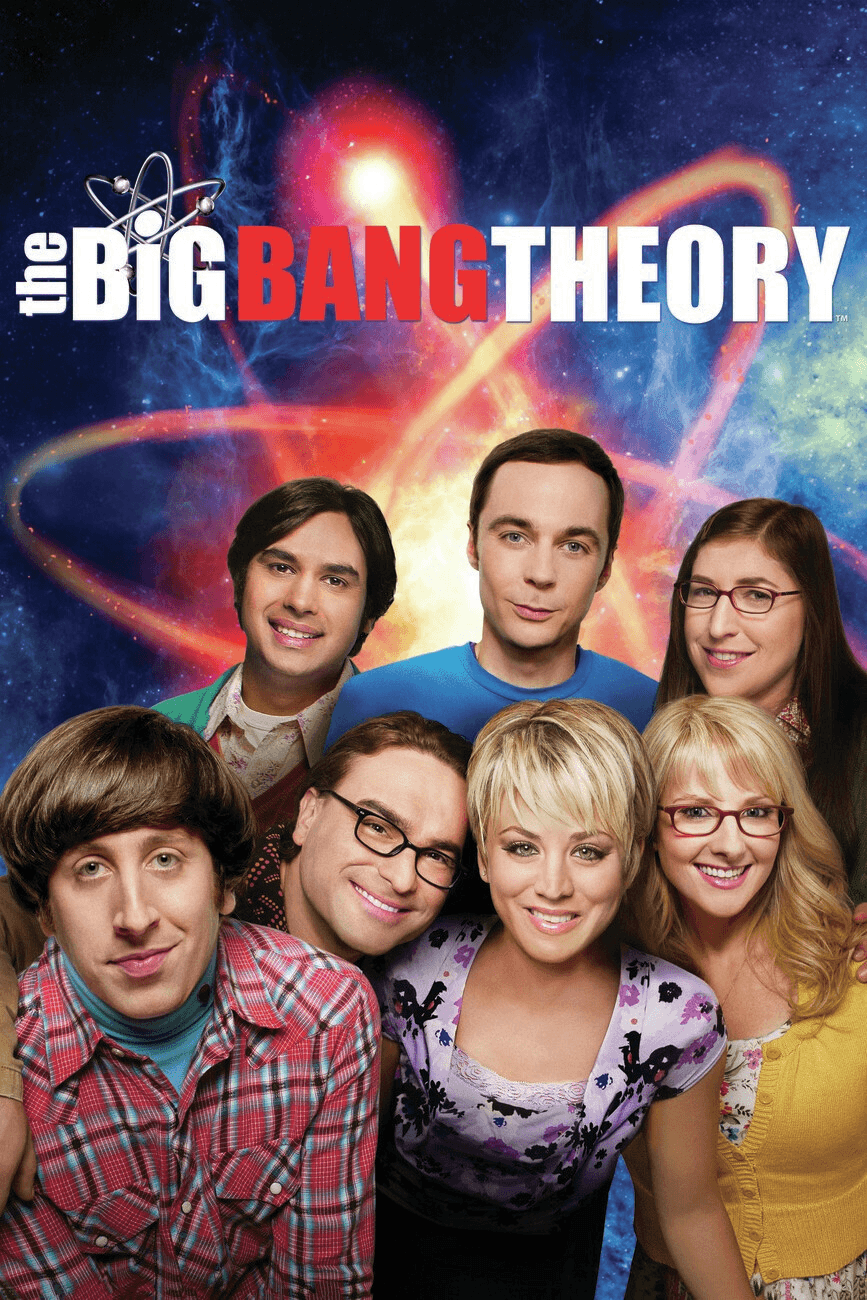
The Big Bang Theory ran on CBS for twelve seasons from September 2007 to May 2019, clocking 279 episodes and finishing as one of the most-watched sitcoms in American television history. Created by Chuck Lorre and Bill Prady, it is a traditional multi-camera sitcom filmed on a Warner Bros. soundstage in front of a live studio audience, with a theme song by Barenaked Ladies that became instantly recognisable to anyone who owned a TV in the 2010s.
The premise is simple and has been done a hundred times in other shapes. Two Caltech physicists, Leonard Hofstadter and Sheldon Cooper, share an apartment in Pasadena. They have two close friends, aerospace engineer Howard Wolowitz and astrophysicist Rajesh Koothrappali, who form the rest of the original core four. Across the hall a new neighbour moves in: Penny, an aspiring actress from Nebraska who waits tables at the Cheesecake Factory. She knows nothing about string theory. They know nothing about people. Comedy follows.
What elevates the setup from sitcom filler is the specificity of the culture it pulls from. Comic books, Star Trek, Star Wars, Dungeons & Dragons, Marvel and DC deep cuts, theoretical physics genuinely vetted by a science consultant, paintball weekends, Halo night on Wednesdays. The geekery is not a costume the writers put on the characters. It is the whole point.
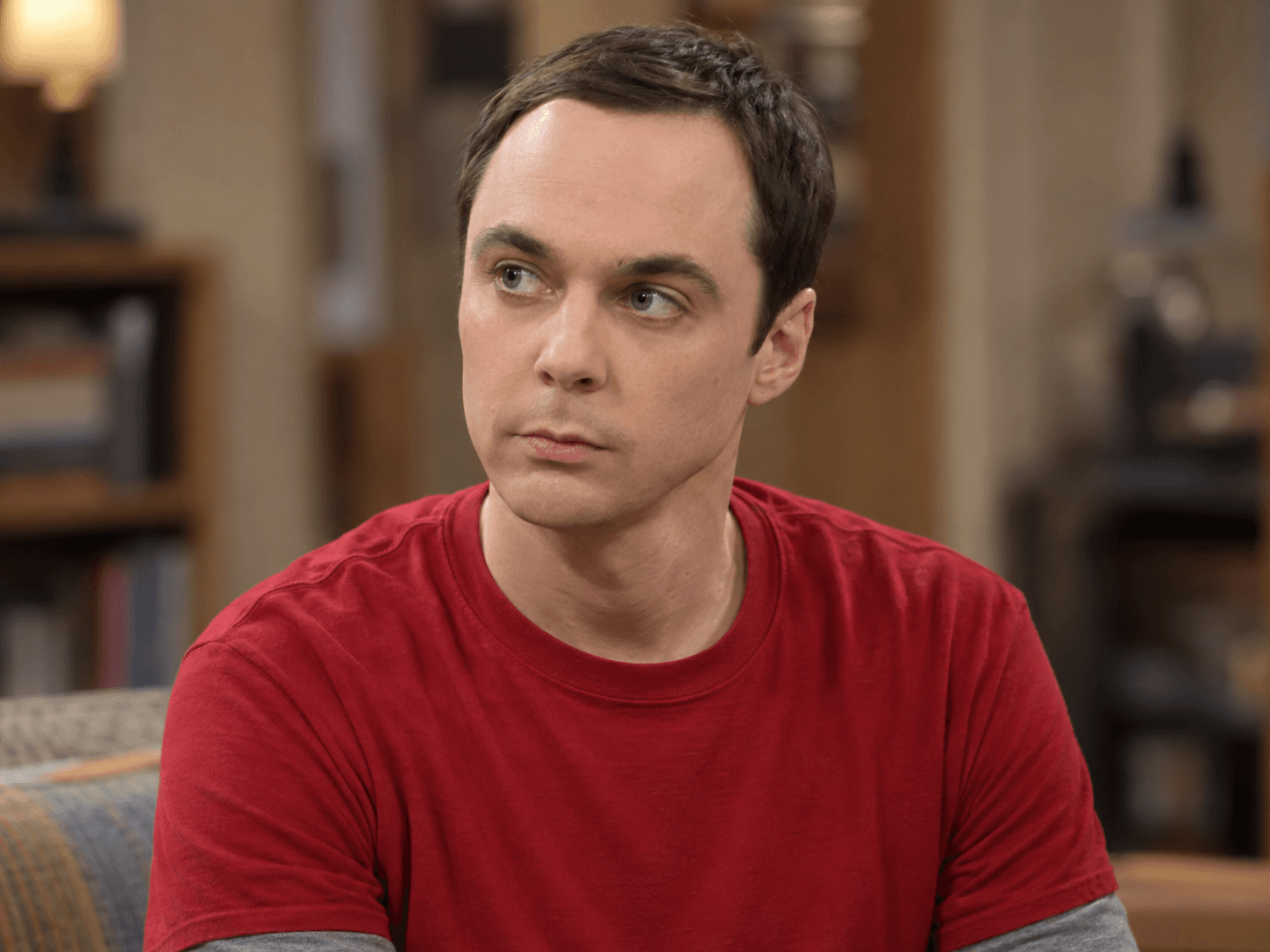
The casting is what made the thing work. Jim Parsons as Sheldon Cooper is the obvious standout, winning four Emmys for Outstanding Lead Actor in a Comedy Series and turning a theoretically unlikeable character, a rigid theoretical physicist with zero tolerance for social convention, into someone millions of viewers found weirdly lovable. His delivery of "Bazinga" went from throwaway sight gag to cultural catchphrase.
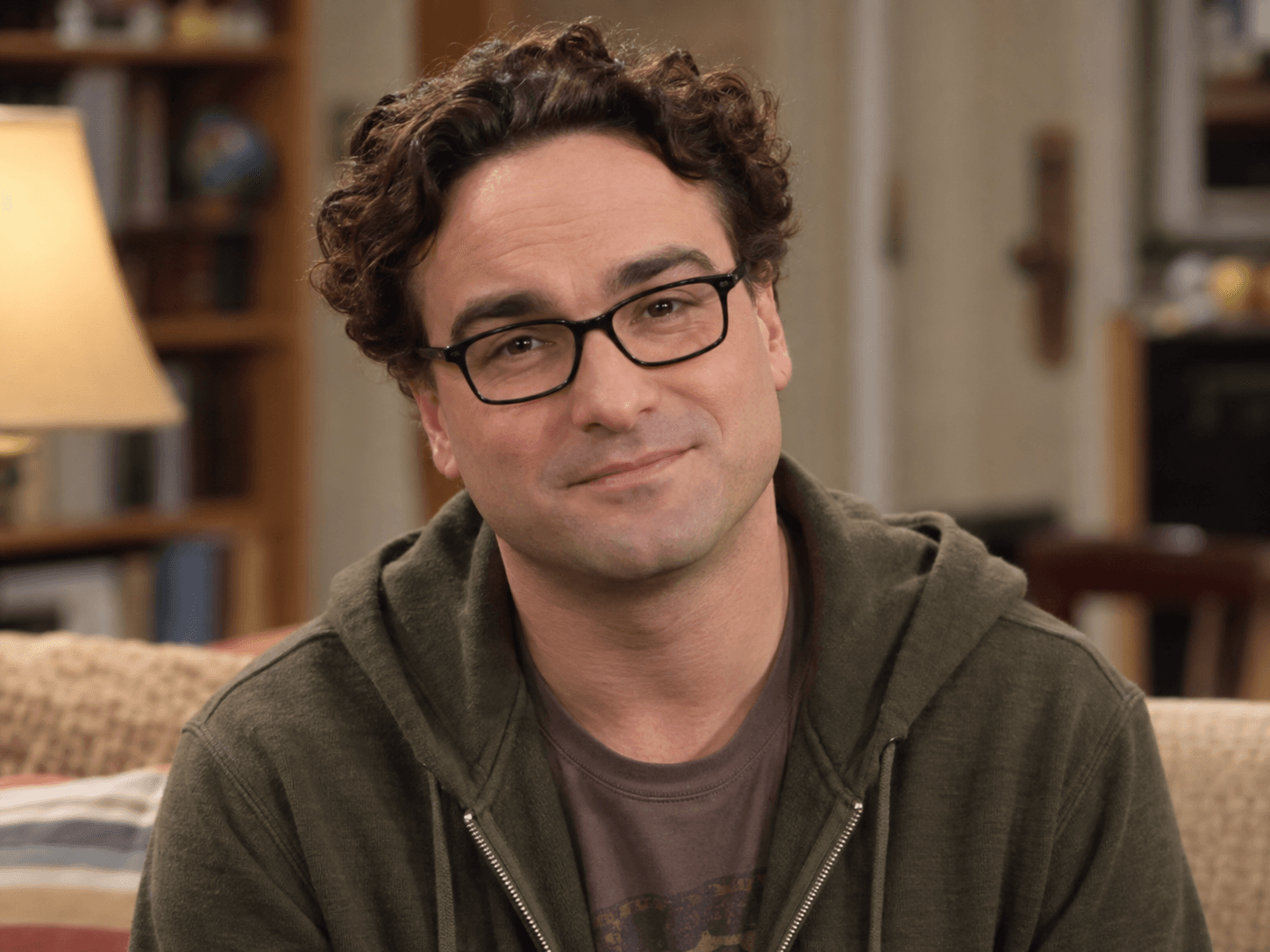
Johnny Galecki plays Leonard Hofstadter as the straight man, and it is a harder job than it looks. Leonard is the audience surrogate, the one who actually wants a life outside the apartment, and Galecki grounds the ensemble so the bigger personalities can bounce off something solid. Kaley Cuoco as Penny gives the show its heart. She is funny without ever feeling like she is straining for the joke, and her willingness to play Penny as genuinely fond of these men rather than merely tolerating them is a big part of why the romantic arcs land.
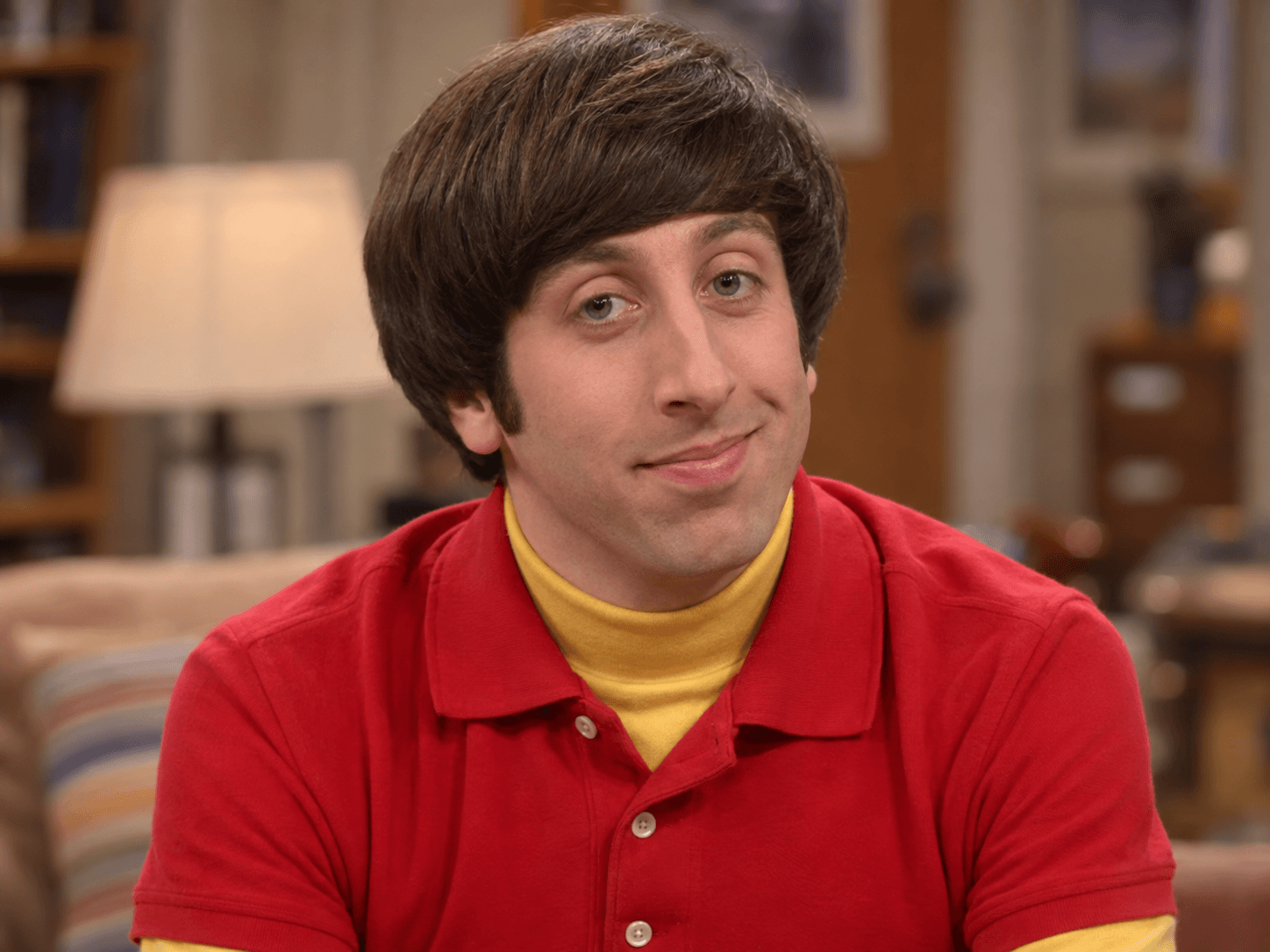
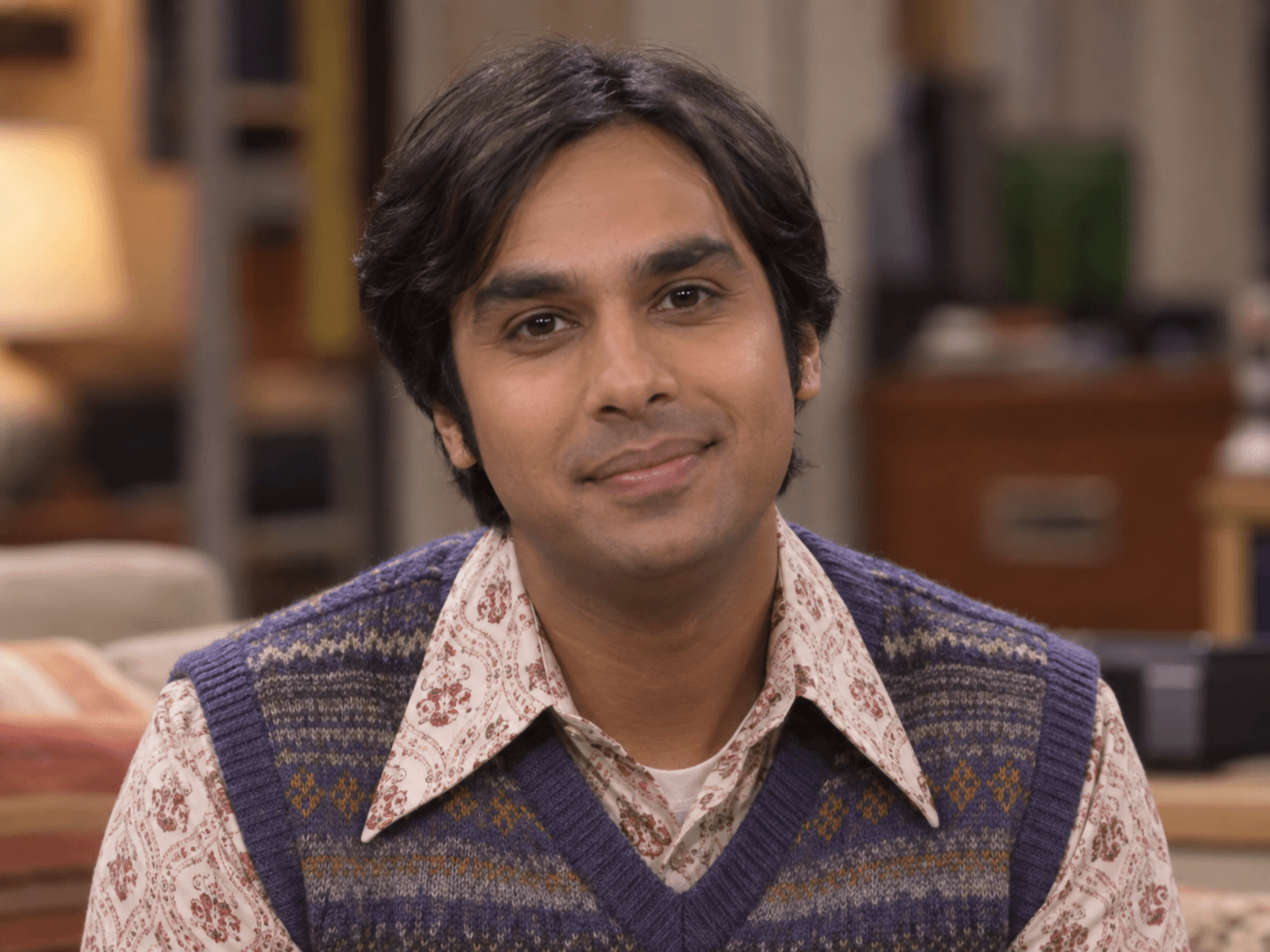
Simon Helberg's Howard Wolowitz starts as a one-joke character, a lecherous engineer in skinny jeans and a dickey, and grows into arguably the most developed person on the show. Kunal Nayyar's Rajesh, an astrophysicist who literally cannot speak to women unless drunk, gets the most inventive writing early on and finds new notes across twelve seasons.
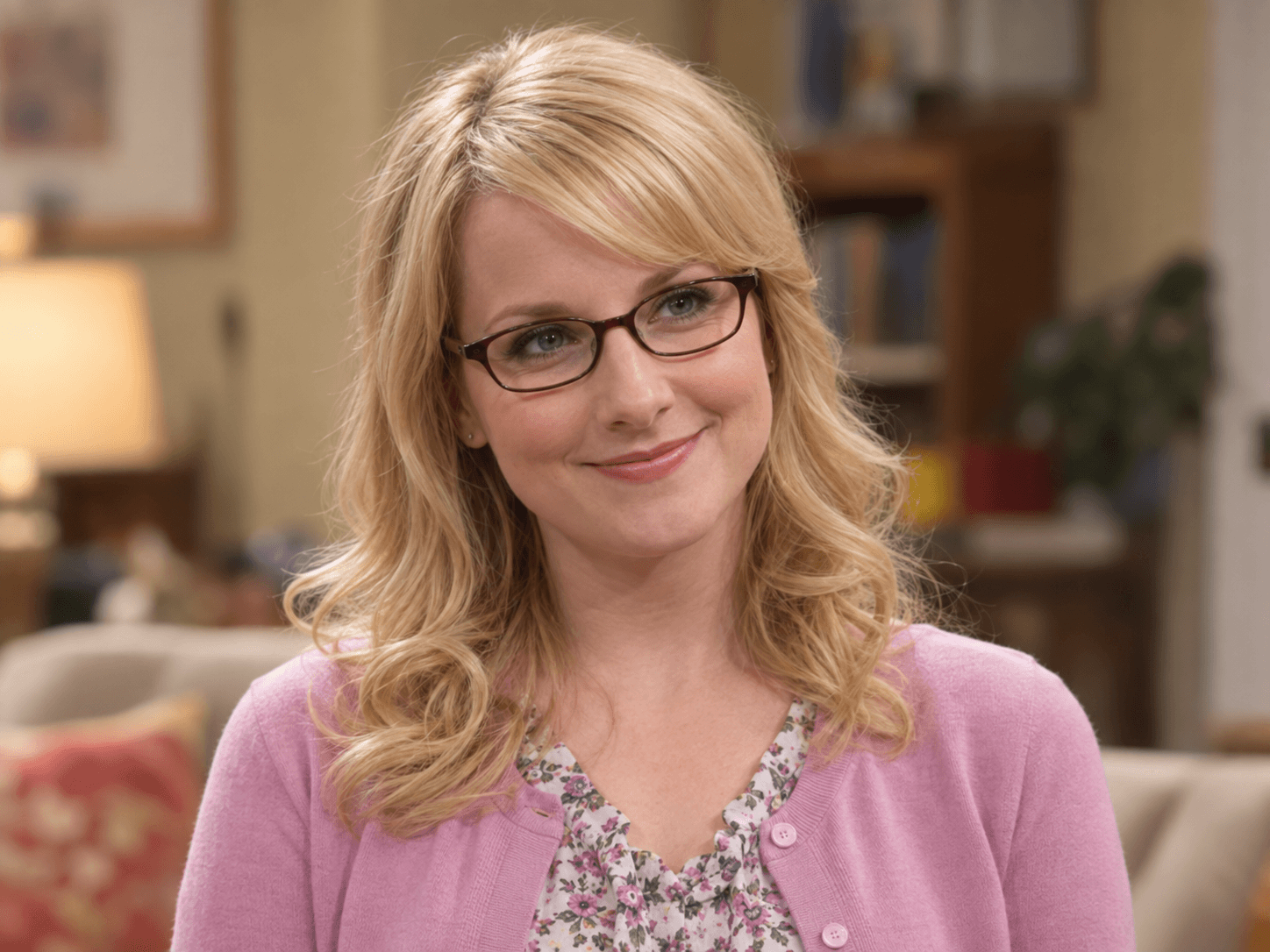
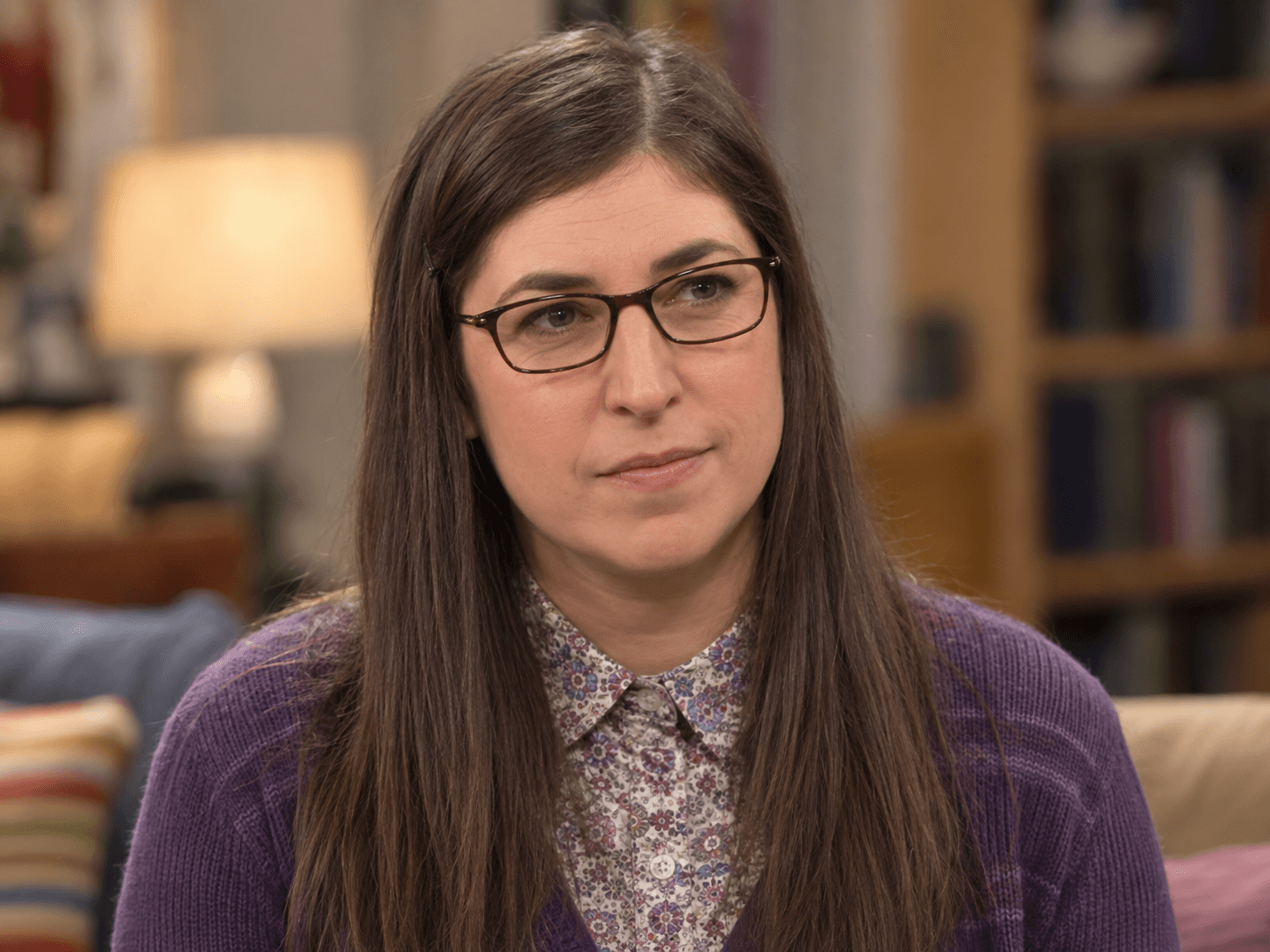
The show expanded its universe in season three by adding two women who match Sheldon and Howard without diluting them. Mayim Bialik plays neurobiologist Amy Farrah Fowler. Melissa Rauch plays microbiologist Bernadette Rostenkowski. Both are scientists. Both are written as full characters with careers, ambitions and edges of their own. The shift from a boys-club ensemble to a mixed group of six is what kept the show alive past season three, when a lesser series would have stalled.
Christine Baranski
Melissa Rauch
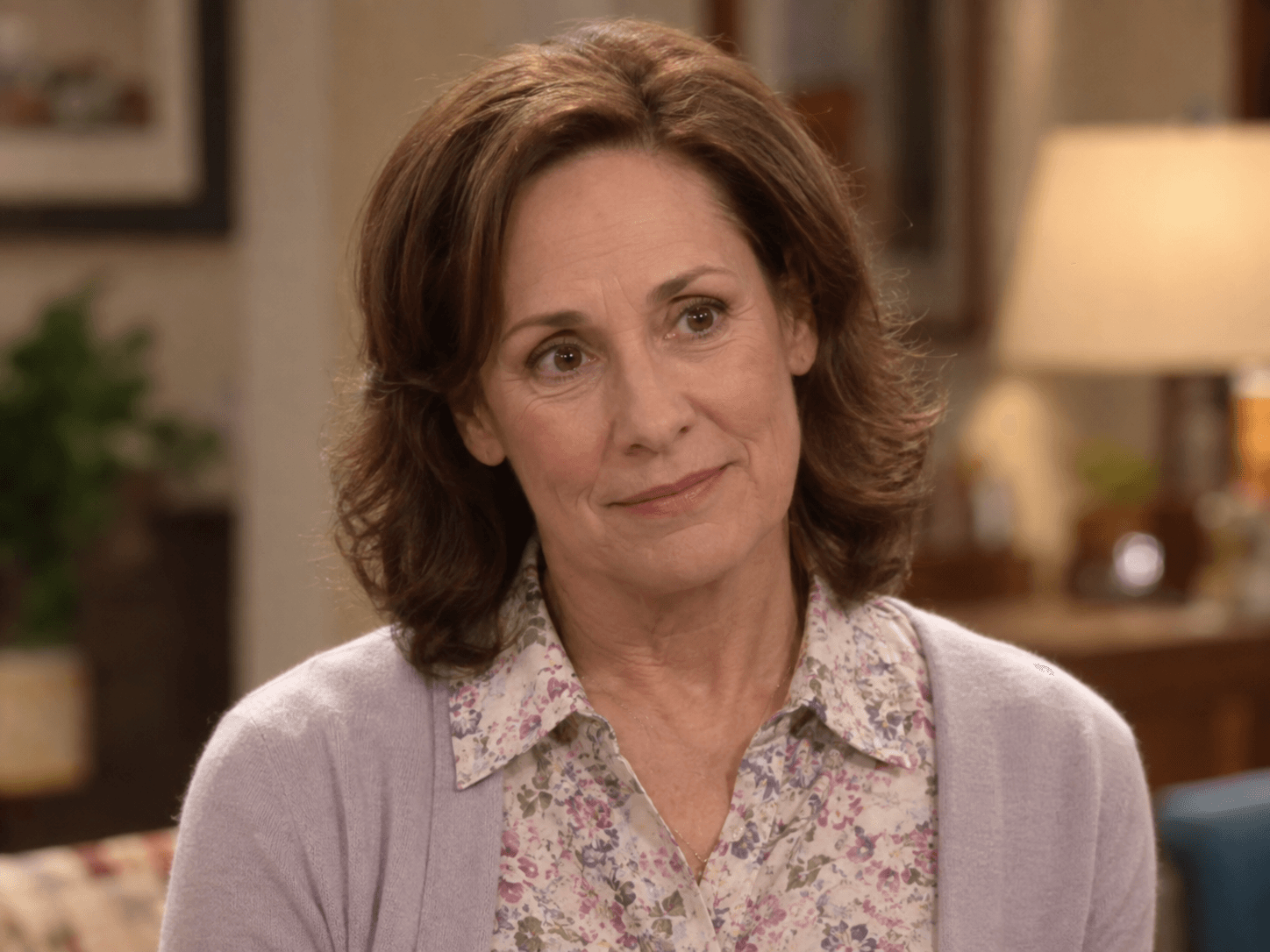
Laurie Metcalf
Johnny Galecki
Simon Helberg
Mayim Bialik
Jim Parsons
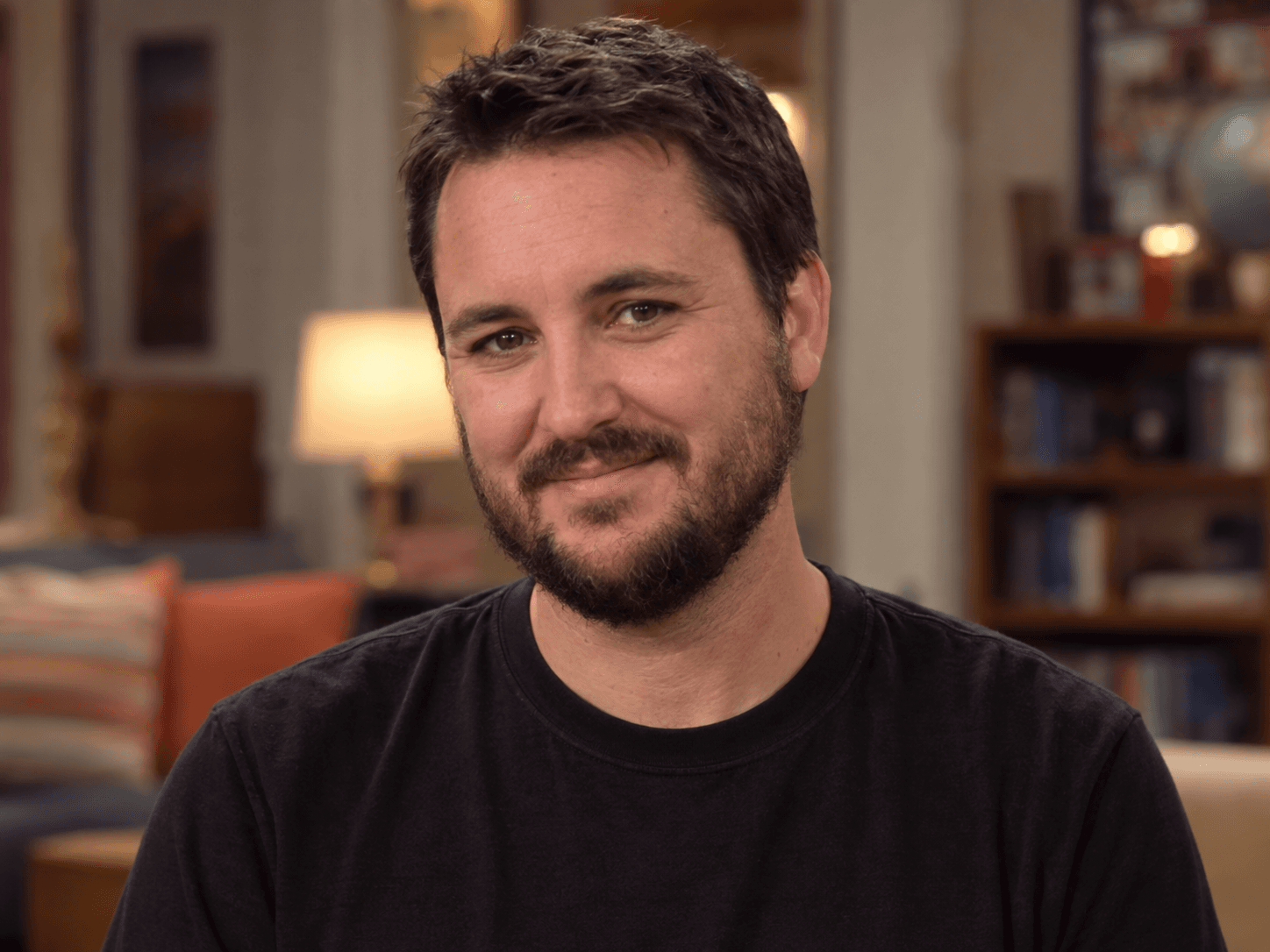
Wil Wheaton
Kaley Cuoco
Kunal Nayyar

The Big Bang Theory review - 12 seasons of science, sarcasm, and heart. Woke rating 5/5. Jim Parsons delivers a career-defining Sheldon Cooper across 279 episodes of peak network comedy.
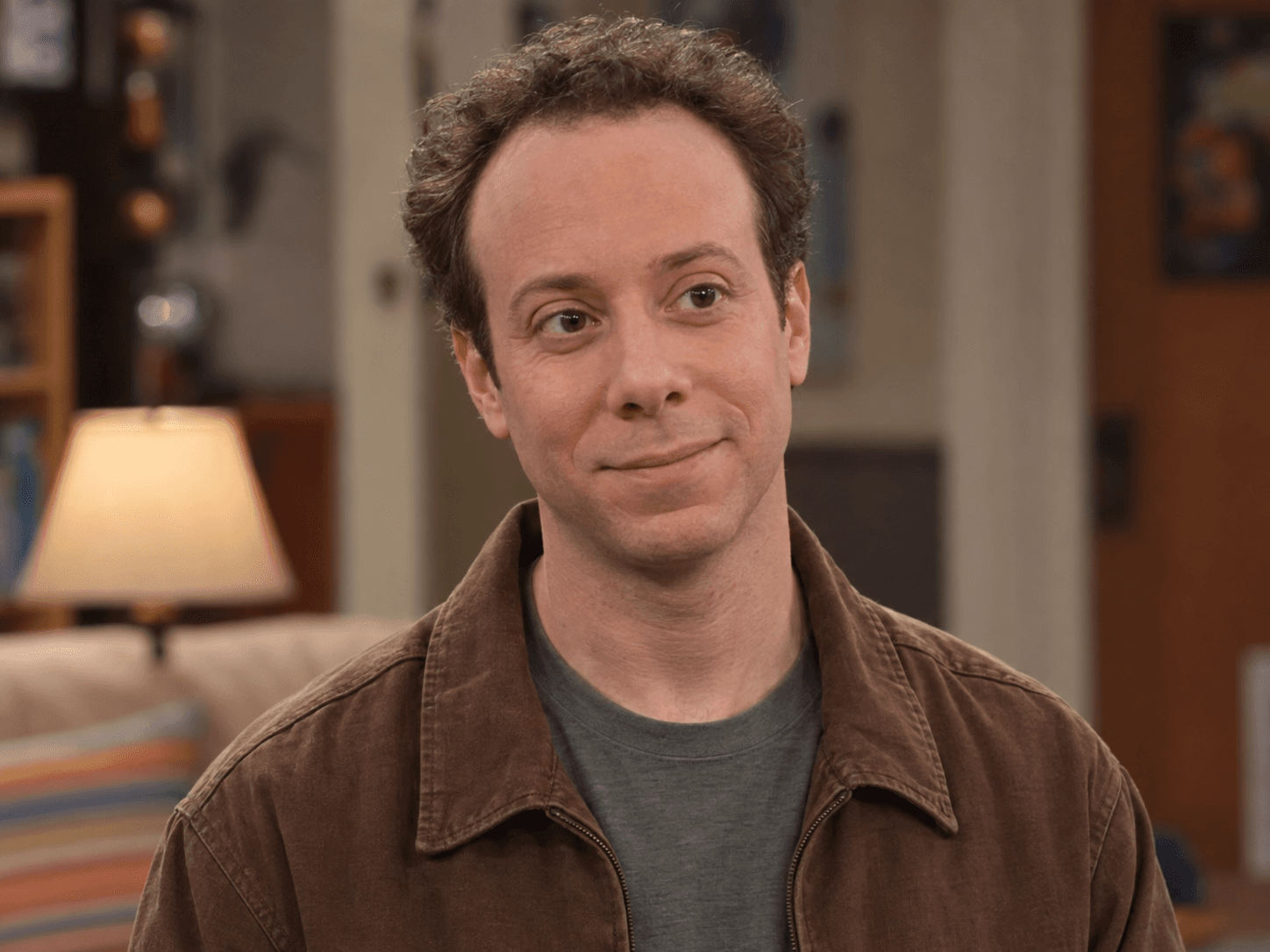
Read MoreRecurring players matter too. Laurie Metcalf is reliably brilliant as Sheldon's formidable Texan mother Mary Cooper. Kevin Sussman plays Stuart, the perpetually depressed owner of The Comic Center of Pasadena. Wil Wheaton shows up as a fictionalised version of himself and becomes Sheldon's sworn nemesis.
Strip away the physics and the comic books and The Big Bang Theory is a show about chosen family. Six people who have nothing obvious in common on paper end up eating takeaway on the same couch three times a week for a decade. The jokes keep getting bigger, the catchphrases keep landing, but the foundation is the unglamorous weekly act of these people showing up for each other.
It is also, quietly, a show about the slow civilising work of friendship and love. Sheldon at the start of the series is someone you would cross the street to avoid. Sheldon at the end is someone who has, inch by inch, learned to notice other people. He has not been changed by a single cathartic moment. He has been changed by a thousand small ones, most of them played for laughs. That is a real trick. Not every sitcom manages it.
The shorthand everyone remembers, the running gags, work the same way:
These are sitcom load-bearing beams, not ornaments. They are the texture that turns a premise into a world.
This is an old-fashioned sitcom, and the show never apologised for it. The multi-cam format with a live audience is the opposite of the mockumentary style that dominates prestige comedy now. There is a laugh track. There are three-wall sets. The rhythm is setup, beat, punchline, audience, and it works because the cast are doing the kind of precise comic timing that only decades of theatre training can teach. If you grew up on Frasier or Cheers, the cadence is immediately familiar.
The visual identity is minimal on purpose. Four standing sets carry most of the show: the boys' apartment, Penny's apartment, the Caltech cafeteria, and the comic book store. A few other locations rotate in. The camera rarely moves with flair. The show is not trying to look cinematic. It is trying to get out of the way of the jokes.
What is distinctive is how committed the production was to its specific subculture. Real physicists consulted on the whiteboards. Real comic book storylines got referenced in passing. Real science fiction actors showed up playing themselves, from Wil Wheaton to LeVar Burton to Stephen Hawking. For a mainstream network comedy to treat nerd culture with this much accuracy, without condescending to it, was genuinely rare at the time.
The ratings numbers are hard to argue with. The Big Bang Theory finished as the number one scripted show on American network television for multiple seasons in the back half of its run. It won ten Primetime Emmys, including Parsons' four Lead Actor wins and one for Bob Newhart in a guest role. Syndication reruns on TBS and other networks turned it into a permanent rotation show, the kind you walk into a friend's living room and find already playing.
It spawned a prequel, Young Sheldon, which ran for seven seasons of its own and went deeper into Sheldon's Texas childhood, and that show has now spun off a further series following Georgie. A single 2007 pilot somehow turned into a three-show universe spanning nearly two decades of CBS comedy real estate. Chuck Lorre and Bill Prady got enormous commercial mileage out of the idea that physicists are funny.
Critical opinion was split across the run. Some TV critics never warmed to the laugh track or the geeks-as-punchline premise. Plenty of working scientists, physicists especially, have publicly praised the show as the most accurate portrayal of their field on television. The truth is both can be right.
Honestly, I did not expect to like The Big Bang Theory as much as I do. Going back to watch it after years of prestige cable, the multi-cam format feels like a different medium. But there is real craft here. Twelve seasons of it. The performances hold up, the character arcs actually progress, and the show lands a finale that a lot of longer-running sitcoms could only dream of.
It is not the sharpest comedy ever written. It is not trying to be. What it is, is a hugely accomplished example of a form most of television has abandoned, executed by a cast at the top of their game, about a group of friends you come to like a lot more than you thought you would. A comfort watch with a brain. Twelve seasons of dinner in front of the TV.
Put it on. Let it run.
John Ross Bowie
Kevin Sussman